Style
Satire delivered with the lightness of small talk. Cook could dismantle power, pretension and social convention in a single perfectly weighted sentence, often while pretending to be the dimmest person in the room.
Edition
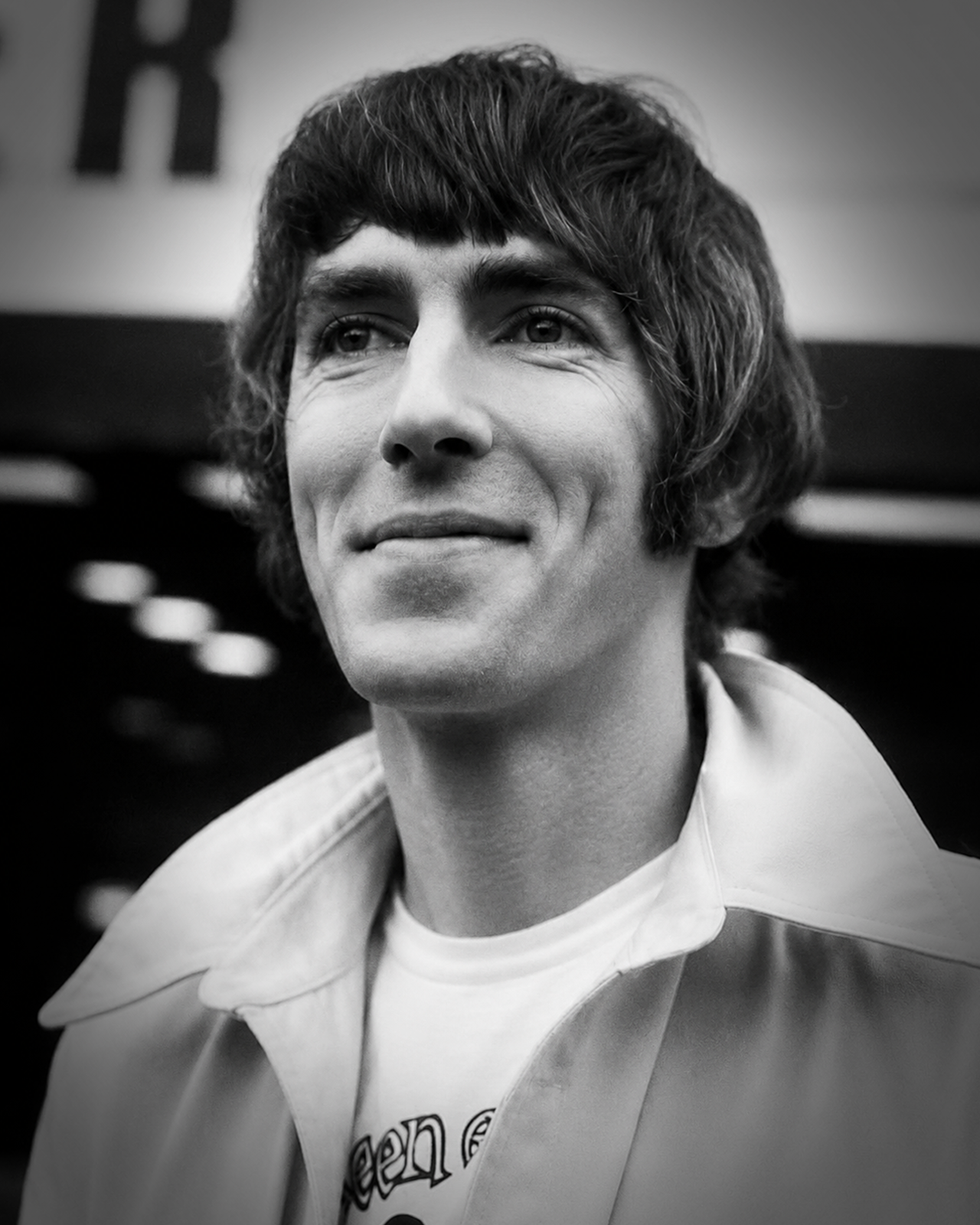
The founding father of modern British satire: a Cambridge Footlights star who co-created Beyond the Fringe and The Establishment, helped shape and bankroll Private Eye, and redefined what comic intelligence could sound like.
VIDEO INTRODUCTION
Short Introduction Video - Coming Soon
Biography
Peter Edward Cook was born on 17 November 1937 in Torquay, Devon, into a family with a long tradition in the colonial service. He was educated at Radley College and Pembroke College, Cambridge, where he read French and German. It was at Cambridge that he joined the Footlights, immediately standing out for a wit so sharp it seemed to arrive from another century.
In 1960, while still at university, Cook made his professional debut at the Edinburgh Festival in Beyond the Fringe, alongside Alan Bennett, Jonathan Miller and Dudley Moore. The show transferred to London and then New York, becoming the defining satirical revue of the early 1960s and the bridge between university sketch comedy and mainstream entertainment. Cook's impersonations of a lugubrious Macmillan and a one-legged Tarzan agent became instant classics.
In October 1961, aged twenty-three, he opened The Establishment in Soho, a satirical nightclub that gave British and international performers a freer cabaret platform. In 1962, Cook and Nicholas Luard bought into Private Eye, the fortnightly satirical magazine that remains the most influential comic publication in British history, providing vital financial backing and major editorial contributions.
The partnership with Dudley Moore became the central thread of his career. After Beyond the Fringe came the television series Not Only... But Also (1964–1970), in which their improvised Pete and Dud dialogues — two working-class men in raincoats discussing art, life and frogs — showed a gentler, more intimate comic chemistry than the polished revue sketches. Later, as the comedy duo matured, they recorded the deliberately offensive Derek and Clive albums, unleashed versions of themselves that traded satire for scatology and became cult objects.
Cook's solo work was sparser but no less significant. He hosted the short-lived American series The Peter Cook Show, starred in the film The Bed Sitting Room and wrote and starred in The Rise and Rise of Michael Rimmer, and appeared in countless chat shows, panel games and private performances where his improvisatory genius routinely astonished other comedians. His final notable television appearance came in 1994 on Clive Anderson Talks Back, where a visibly diminished but still dazzling Cook ad-libbed a sketch that reminded a generation why he was regarded as the greatest comic mind of his age.
He died on 9 January 1995, aged fifty-seven, from a gastrointestinal haemorrhage after years of heavy drinking. Tributes from across British comedy described him as the man who had made the rest of them possible. His influence runs strongly through everything from Private Eye to Monty Python, The Thick of It and alternative comedy itself: a lineage of irony, scepticism and verbal elegance that he helped define.
Comedy Style
Style
Satire delivered with the lightness of small talk. Cook could dismantle power, pretension and social convention in a single perfectly weighted sentence, often while pretending to be the dimmest person in the room.
Delivery
Dry, languid, upper-class vowels stretched to absurd lengths, and an improviser's patience that allowed silences to become punchlines. Whether as Macmillan, E.L. Wisty or a Dagenham flat-cap philosopher, he made deadpan feel dangerously alive.
Influences
University revue, Footlights wordplay, the cabaret tradition of The Establishment, the editorial absurdism of Private Eye, and a lifelong devotion to W.S. Gilbert, Noël Coward and the logic of nonsense.
Legacy
Cook helped create the vocabulary for post-war British satire: the knowing interview, the absurd official statement, the impersonation that exposes rather than flatters. His influence runs strongly through British satirical shows from That Was The Week That Was to The Thick of It.
Greatest Moments
Peter Cook and John Cleese. Two British comedy giants united.
A virtuoso performance in character comedy on the popular Clive Anderson Talks Back Show.
An hour and half BBC review of Peter Cook's life and times.
A rare interview in which Cook reflects on founding Private Eye, backing The Establishment club, and the serious business of not being serious.
Television & Film Credits
Start with the landmark works, then explore the wider archive.
Major Awards
With Dudley Moore for the album Good Evening.
For Good Evening on Broadway.
With Dudley Moore for Not Only... But Also.
For Beyond the Fringe on Broadway.
Fun Facts
01
He was only twenty-three when he opened The Establishment in Soho in October 1961.
02
He bought into and backed Private Eye in 1962 and secretly helped fund it for years when it was on the brink of closure.
03
His impersonation of Harold Macmillan in Beyond the Fringe became so famous that Macmillan himself reportedly enjoyed it.
04
The Pete and Dud dialogues were largely improvised; Cook and Moore would often start with a single idea and let it wander.
05
Derek and Clive began as private recordings made to amuse themselves and became hugely successful albums despite — or because of — their obscenity.
06
He was a famously brilliant guest on chat shows, often upstaging the host with apparently effortless improvisation.
07
Cook was a devoted cricket fan and a member of the Lords Taverners charity cricket team.
08
His final television interview with Clive Anderson is widely considered one of the greatest spontaneous comic performances ever broadcast.
09
He was voted by fellow comedians in the 2005 Comedians' Comedian poll as one of the greatest comedy acts of all time.
10
A green plaque at 18 Greek Street in Soho marks the site of The Establishment club.
Merchandise
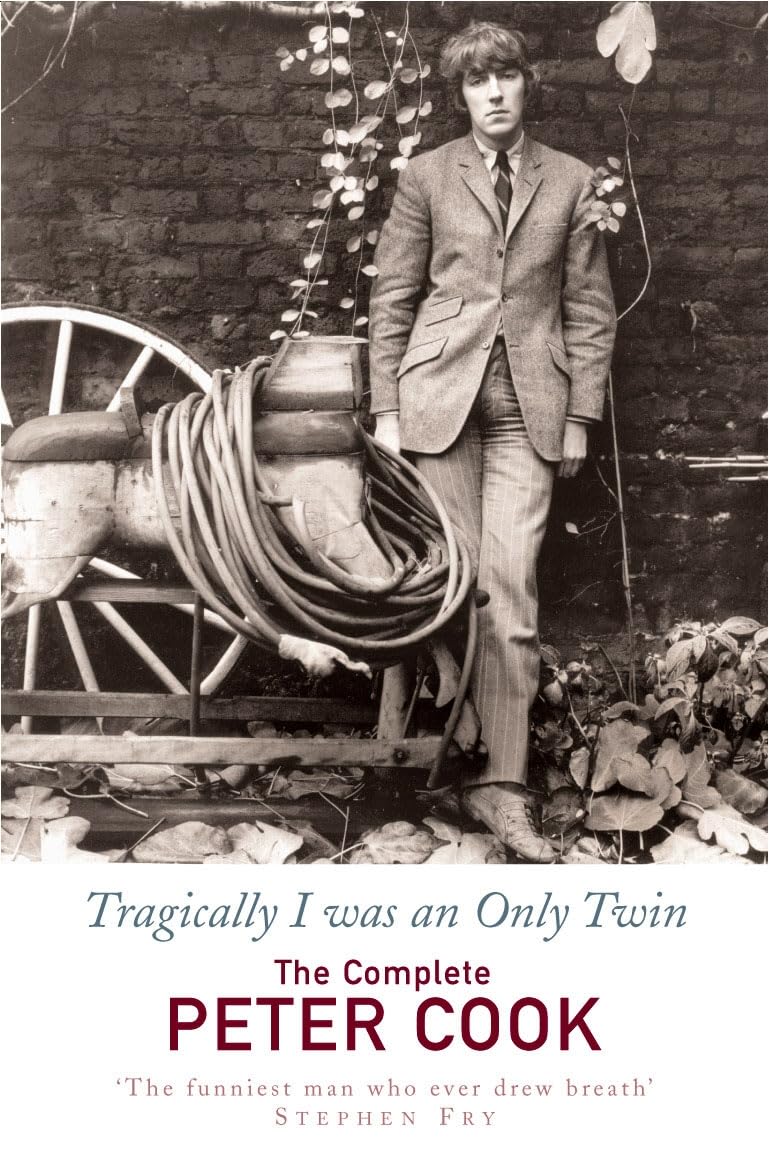
The essential collection of Cook's writing, sketches and interviews, edited by William Cook.
![The Best of Peter Cook and Dudley Moore [DVD]](/__l5e/assets-v1/789ac2bb-c4de-4140-a1cd-0b92ff59687d/pc-product2.jpg)
"The funniest man who ever drew breath." Stephen Fry on Peter Cook.
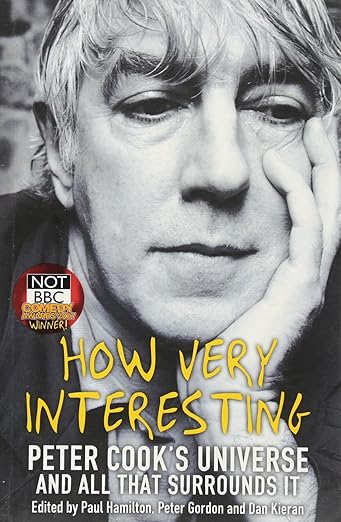
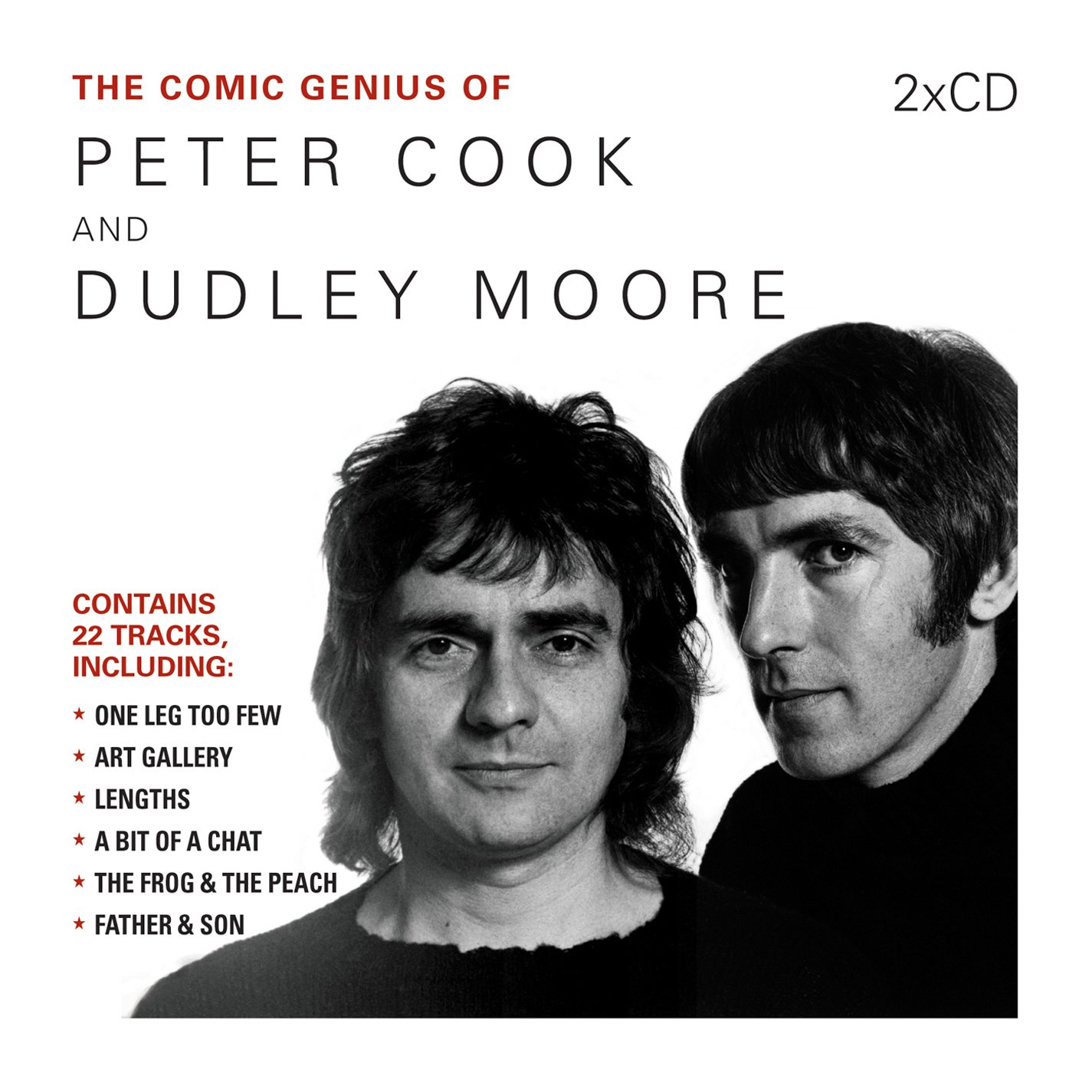
This 2 x CD set contains 22 tracks of brilliant, creative comedy, on one package for the first time.
You might find these funny
Hand-picked recommendations for anyone enjoying Peter Cook: comedians in a similar tradition, style or era.
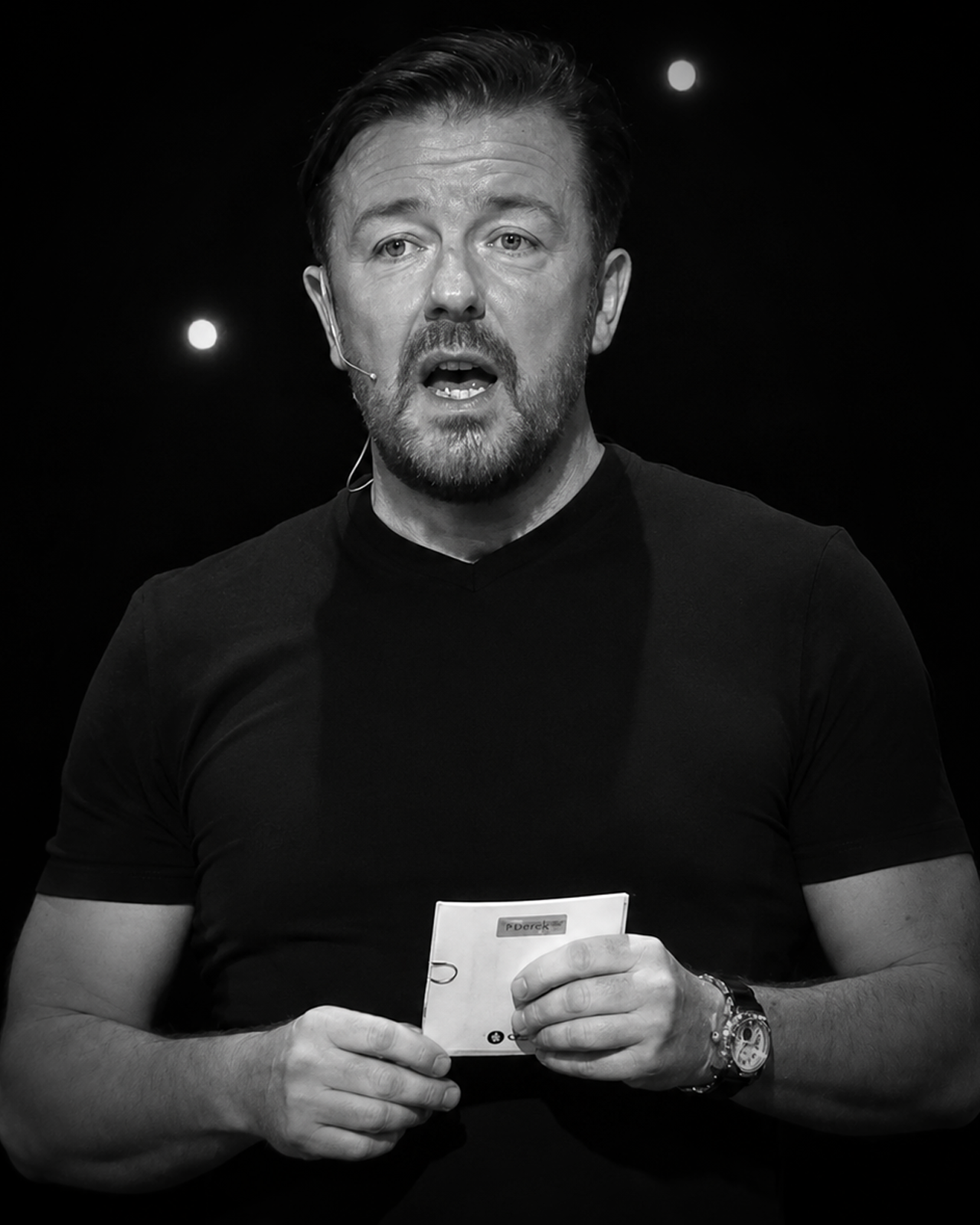
1998–present · British (English)
The creator of The Office reinvented the British sitcom with cringe, silence and an unflinching eye for workplace absurdity.
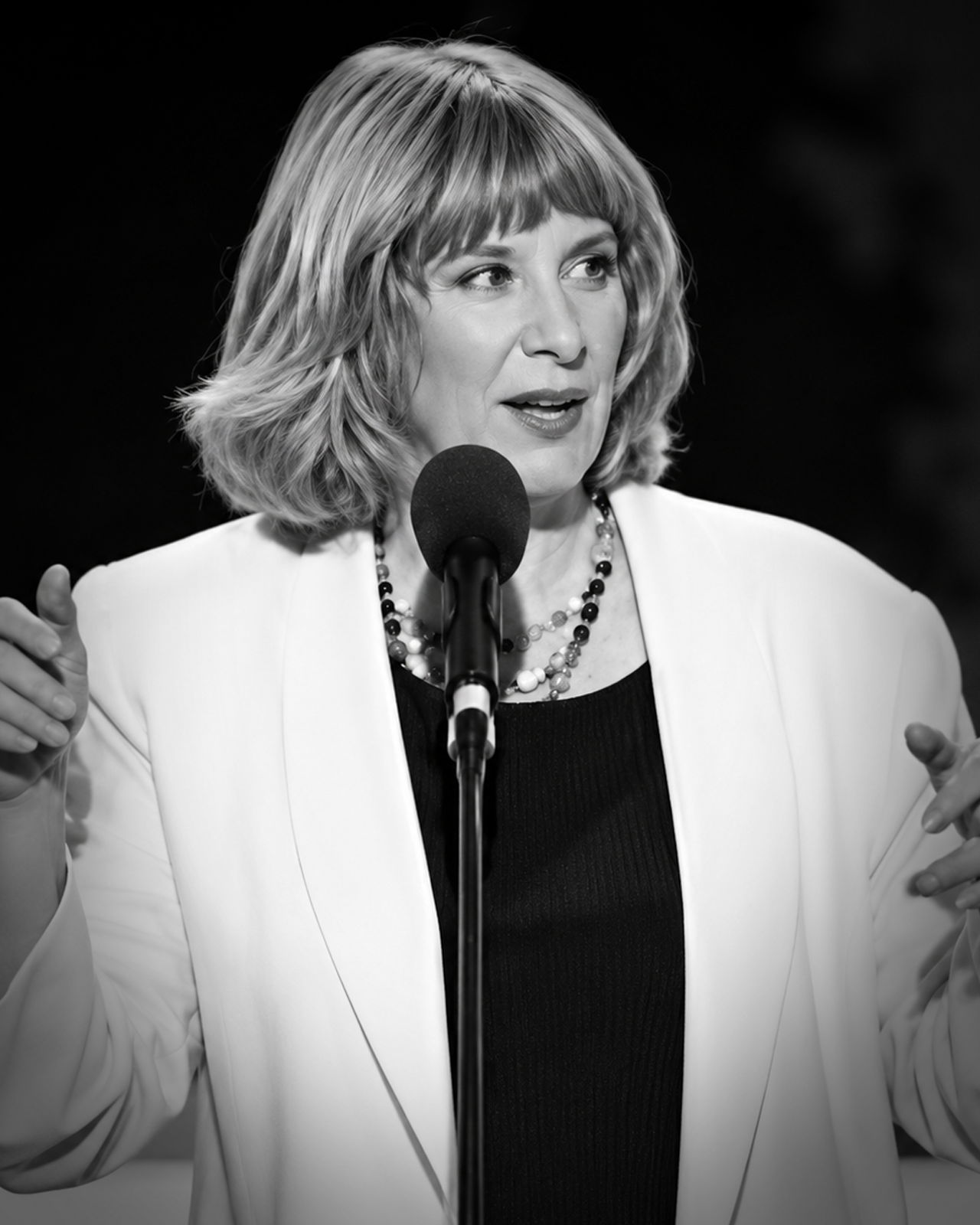
1974–2016 · British (English)
A writer's writer with a poet's ear. Wood's songs and sketches turned everyday northern life into national treasure.
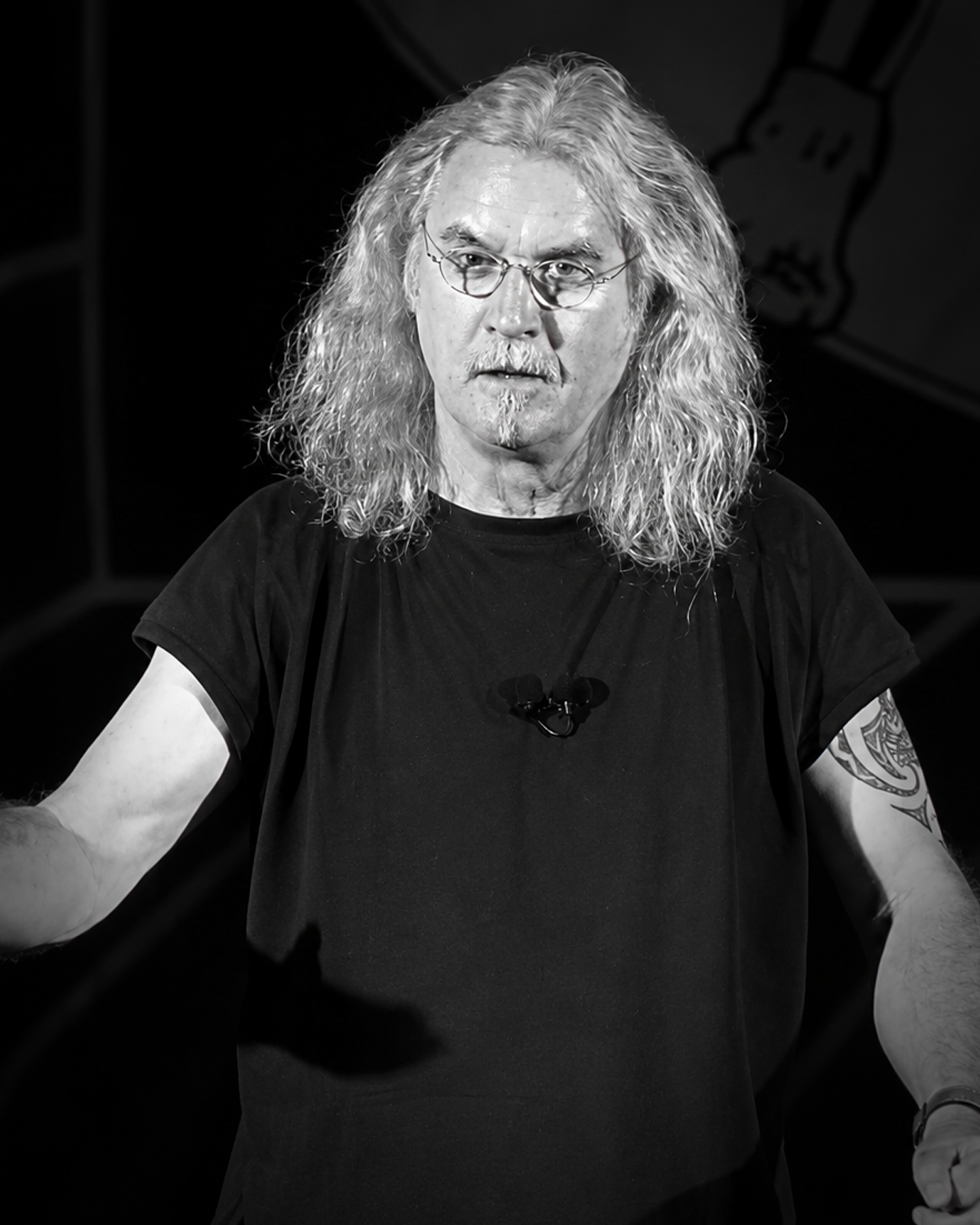
1965–2018; artist/writer thereafter · British (Scottish)
The Big Yin. A Glasgow shipyard welder turned folk singer turned storyteller, whose winding tales and gentle absurdity made him Scotland's most beloved comic export.