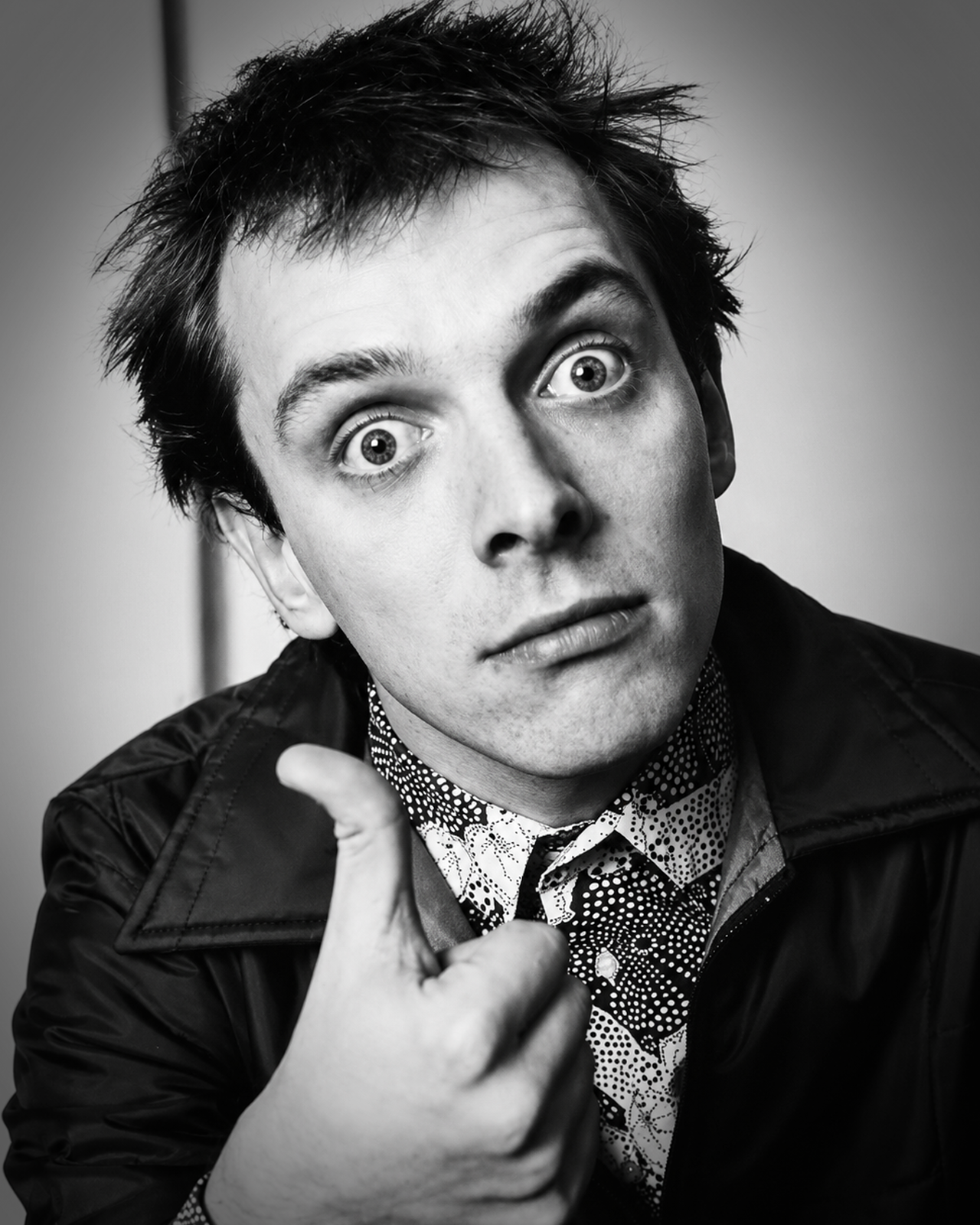
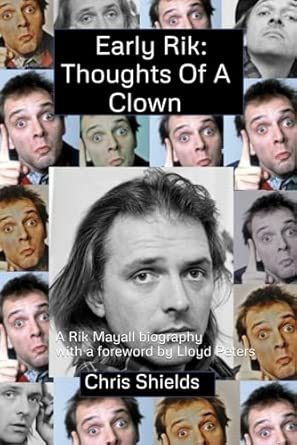
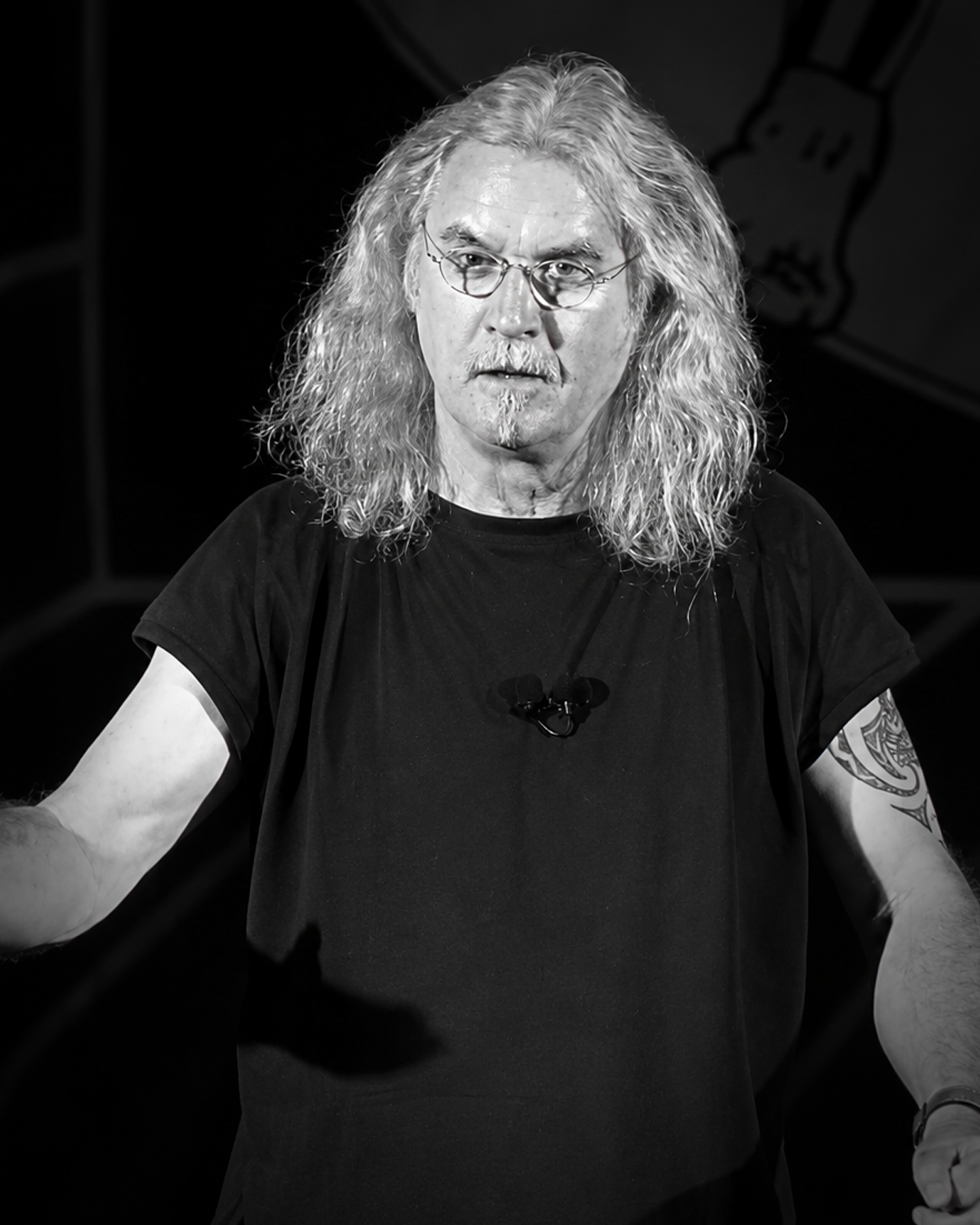
Richard Michael Mayall was born on 7 March 1958 in Harlow, Essex, and raised in a household steeped in theatre. He was educated at King's School, Worcester, before studying drama at Manchester University, where he met Ade Edmondson, the beginning of one of British comedy's most explosive comedy duos.
Mayall was a founding member of the Comic Strip troupe at the Comedy Store in London, helping to define the alternative comedy movement of the early 1980s. His creation Kevin Turvey, a deluded investigative reporter with a Brummie accent, debuted in the sketch show A Kick Up the Eighties and gave him his first television break, establishing his gift for grotesque, over-confident characters who were convinced of their own genius.
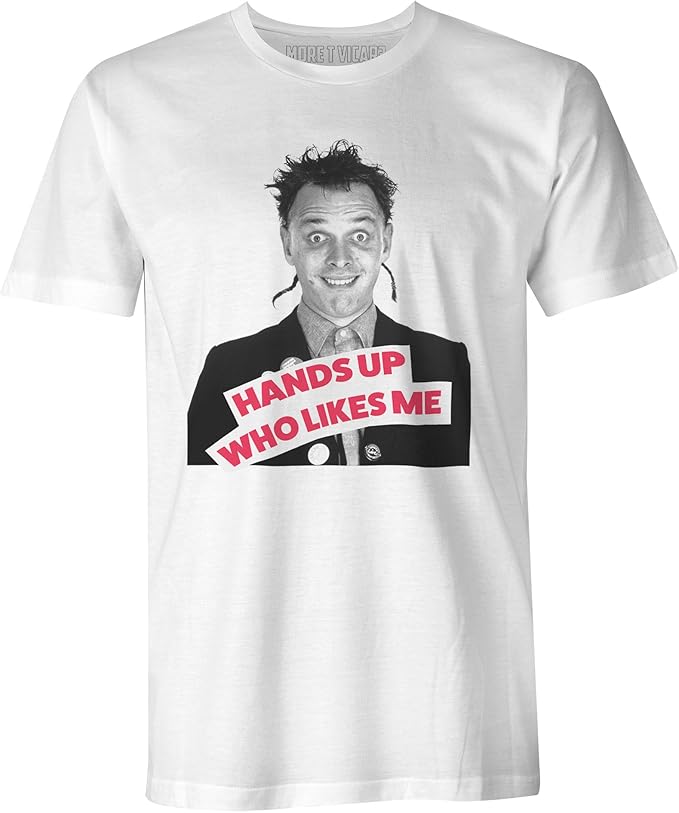
In 1982 he starred as Rick in The Young Ones, the chaotic student flat-share that became the defining British comedy of its generation. Alongside Edmondson, Nigel Planer, Christopher Ryan and Alexei Sayle, Mayall created a punk sitcom where violence, squalor and political posturing collided with cartoon surrealism.
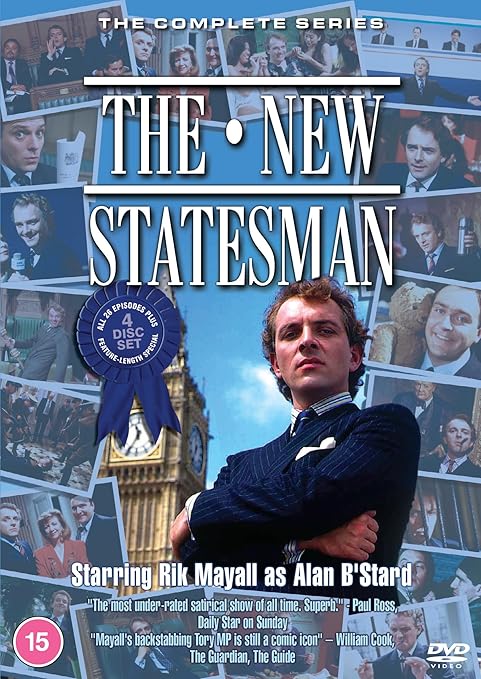
The New Statesman (1987–1992) revealed a different weapon: satire. As Alan Beresford B'Stard, the monstrously self-serving Conservative MP, Mayall delivered political comedy with the same manic intensity, making the character both repellent and oddly magnetic.
His partnership with Edmondson continued through Bottom (1991–1995), a darker, sweary reimagining of their student anarchists as two grown men sharing a squalid Hammersmith flat. The live stage tours that followed were legendary for their cartoon violence and audience mayhem.
Mayall also stole scenes in Blackadder as Lord Flashheart, the preposterously heroic cavalier whose entrance was pure testosterone and whose exit was pure showmanship. Film work included the cult favourite Drop Dead Fred (1991), where he played a chaotic imaginary friend to a grown woman.
In 1998 he suffered a near-fatal quad bike accident and was placed in a coma for several days. He returned to work with characteristic defiance, though the injury left lasting effects. He died suddenly on 9 June 2014 at the age of 56 at his home in Barnes, London, following a heart attack after a morning jog, prompting an outpouring of national grief and a recognition that British comedy had lost one of its most irreplaceable voices.